
For those subclass 491 visa holders looking to make the move to Perth, purchasing a property can be an important move. The 491 visa category is available for skilled workers and their families who have contributed to the regional economy within a designated region who meet skill, age, education and English language criteria and are eligible to apply. Perth is also a popular regional area for skilled migration purposes. A 491 visa, however, does not guarantee that investors have the same property ownership benefits as Australian citizens/permanent residents.
As a temporary visa holder, you can be considered a temporary/provisional visa holder. There are certain regulations regarding the purchase of a residential property, including requirements and restrictions for the type of residential property you can purchase and qualifications required before you buy it. Specific rules may apply as well and be based on whether you are purchasing a new home, vacant land or an existing home.
This guide outlines if 491 visa applicants are eligible to apply for a home loan in Perth through Westpac, the categories of property you may be able to apply for when purchasing a home and the conditions involved for FIRB approval, as well as some of the key points you should consider when applying for a home loan.
Can a 491 Visa Holder Buy Property in Perth?

There are conditions that relate to property purchases and to the circumstances of the property owner to determine whether an investment property can be acquired by a subclass 491 visa holder. As a temporary visa holder, a subclass 491 visa holder may be considered a foreign person under Australia’s foreign investment rules. Therefore, it is generally advisable that they should consider the foreign investment conditions prior to the purchase of a property for residence use. Annexure 8 includes exemption tables that list the types of investors who are eligible to apply to buy a new dwelling or vacant residential land under the 491 visa, subject to the necessary approval and conditions. In 2026, however, it's especially critical to have restrictions on purchasing existing homes.
Perth as a designated regional area will be relevant to the requirements of the 491 visa but it does not exclude the foreign investment requirements of temporary visa holders. Other rules apply where a 491 visa holder purchases a property with an Australian citizen, permanent citizen or eligible New Zealand citizen partner. For example, in certain cases a couple can enter into a contract to acquire a real property to occupy as their primary residence, as joint tenants, without all the conditions that apply when purchasing as tenants in common. Thus, prior to entering into an agreement for sale of a property, the ownership of the property and relevant foreign investment rules must be considered.
What Property Can a 491 Visa Holder Buy in Perth?
Considering whether a subclass 491 visa holder can purchase in Perth will depend on whether the property that they are buying is a new dwelling or an existing residential property, be it vacant or established. You might need approval to buy a residential property as a temporary visa holder and may be seen as a foreign person under the foreign investment rules.
Generally, for 491 visa holders granted PRC nomination, the choice will be between new dwellings and vacant residential land in 2026, provided that they are eligible to apply and meet the approval and conditions. Further restrictions apply to established homes, with the current temporary ban on foreign persons buying established dwellings, being one such restriction. There are various rules for each type of property, so you need to know the demand for this type of property before signing a contract.
1. New or Near-New Properties
Depending on the foreign investment approval, a 491 visa holder may be able to purchase a new property, which may include some newly built homes and apartments. A new property generally means any residential land or property that has not been sold as a home or previously occupied, according to the respective provisions. This can also include off-plan properties.
For 491 visa holders that wish to invest in a home in Perth without canceling their visa, they can make new development an option. Buyers are advised, however, to verify that the premises meet the definition of a 'new dwelling' as defined by the foreign investment requirements prior to purchase.
2. Vacant Land
Some vacant pieces of land may be available to a 491 visa holder with the necessary approval. Typically, the purchaser will be required to construct at least one residential unit on the property and still be finished within a certain period of time. With the existing policies, the construction is expected to be completed within four years of approval.
This does not just mean one must purchase an empty piece of land, and just keep it for investing at some time later. The conditions of foreign investment may stipulate the land should be utilized within a certain period.
3. Established Homes
Established home refers to an existing home that has been previously occupied as a residence. This can be an existing house, apartment, town house or unit. Currently this is the most pertinent restriction to know to foreign persons, including those who have obtained 491 visas. Generally, foreign persons cannot buy established homes from 1 April 2025 to 30 June 2029, subject to limited exceptions. This includes temporary residents who want to buy an established home as their principal place of residence.
So, a 491 buyer looking to acquire a home in Perth without a partner will typically not be able to access an ordinary established home in Perth these days. There are only a few circumstances where exceptions can be made, such as some redevelopment situations, which are of a level that significantly boosts the delivery of Australian houses. These are enacted as exceptions to an ordinary home purchase and have certain conditions.
Do 491 Visa Holders Need FIRB Approval to Buy Property?
In many cases, yes. Typically, a 491 visa holder (as a foreign person) will require foreign investment approval for the purchase of residential property. Australian foreign investment regulations mandate approval for various residential property purchases by foreign individuals before they purchase the property. This can include applications to acquire new dwellings or vacant residential land made by a temporary resident.
The approval requirements can vary depending on the property. For example:
- New dwellings: approval may be generally provided, with the appropriate requirements.
- Vacant residential land: Approval is usually granted when there is an agreement between the buyer and local and state authorities regarding the development of the land in the specified timeframes.
- Restriction on foreign purchase of established dwellings: applies from 1 April 2025 to 31 March 2027 with certain exceptions.
It is strongly recommended to have the necessary approval prior to purchase. Without meeting the foreign investment rules to buy a particular type of property, you may face substantial penalties.
Can a 491 Visa Holder Get a Home Loan in Perth?

Yes, there are some methods through which a 491 visa holder can have access to a home loan, but these may vary from Australian citizens/permanent residents. Lenders may take into account how much your income is, your job history, deposit, existing debts, credit history and visa status. Certain lenders may also have particular guidelines for temporary/visa visa holders. In certain situations, a higher base amount may be necessary and this is usually more applicable for people who do not have an Australian citizen or permanent resident partner. There may be additional restrictions placed by some lenders regarding the lending practice to a 491 visa holder.
An eligible Australian partner may also alter the foreign investment and lending position, in some cases. For example, a joint ownership based on a marriage with an Australian citizen, permanent citizen or eligible New Zealand citizen partner could be eligible for a FIRB joint-tenancy exemption, depending on the individual circumstances. Where they are joint tenants of the property and where they use the property as their main accommodation. It's helpful to see how much it is possible to borrow and if the lender takes applications from 491 visa holders before you put in an offer.
What Costs Should 491 Visa Holders Consider When Buying in Perth?
The house price is not the only cost when buying a home. Any person who is granted a 491 visa must also consider any government charges, costs of loans and other costs relating to the buying process.
They can be as follows:
- Transfer duty: Western Australia charge on eligible property transactions.
- Foreign buyer duty: An additional 7% foreign transfer duty could apply if a foreign person buys residential property in WA.
- FIRB application fees: Where foreign investment is approved a fee may apply for submitting an FIRB application.
- Home loan fees: These include lender fees such as application fees, valuation fee and more.
- Lenders Mortgage Insurance (LMI): May apply subject to the loan and deposit.
- Conveyancing / legal costs: These are the legal / settlement costs involved in its conveyancing (buying).
- Purchase circumstances or building and pest inspection: These would be applicable where the property has type or circumstances requiring building and pest inspections.
- Ongoing property prices: This can include expenses relating to council rates and insurance as well as maintenance and other expenses associated with property ownership.
The amount to be paid could vary depending on the value or the structure of ownership and the buyer's situation of the property. Exemptions and legislations changing for foreign buyers of WA property means that a duty check should be done at the time of purchase.
What Should 491 Visa Holders Check Before Buying Property in Perth?
As a subclass 491 visa holder, there are certain factors to be addressed and taken into account when purchase of property. The foreign investment guidelines, the visa conditions, financing and the overall investment amount also need to be taken into account. Prior to purchasing a home in Perth, an 491 visa holder needs to have a look at the following points:
- Whether the property is in a designated regional area: Perth is now a designated regional area for purposes of skilled employment visa.
- Whether the property is new or established: The type of property may impact whether under the current foreign investment rules you are allowed to purchase it.
- Whether FIRB approval is required: Temporary residents may require foreign investment approval prior to purchasing residential property.
- Use of property as planned: Verify if there are conditions of approval and be aware that the property can be used for the proposed purpose.
- Whether you can obtain suitable finance: Confirm requirements with lender and/or carry out a reappraisal of your borrowing power prior to making an offer.
- The total purchase costs: Purchase costs including transfer duty, foreign buyer duty (if applicable), FIRB fees, legal fees and other loan costs.
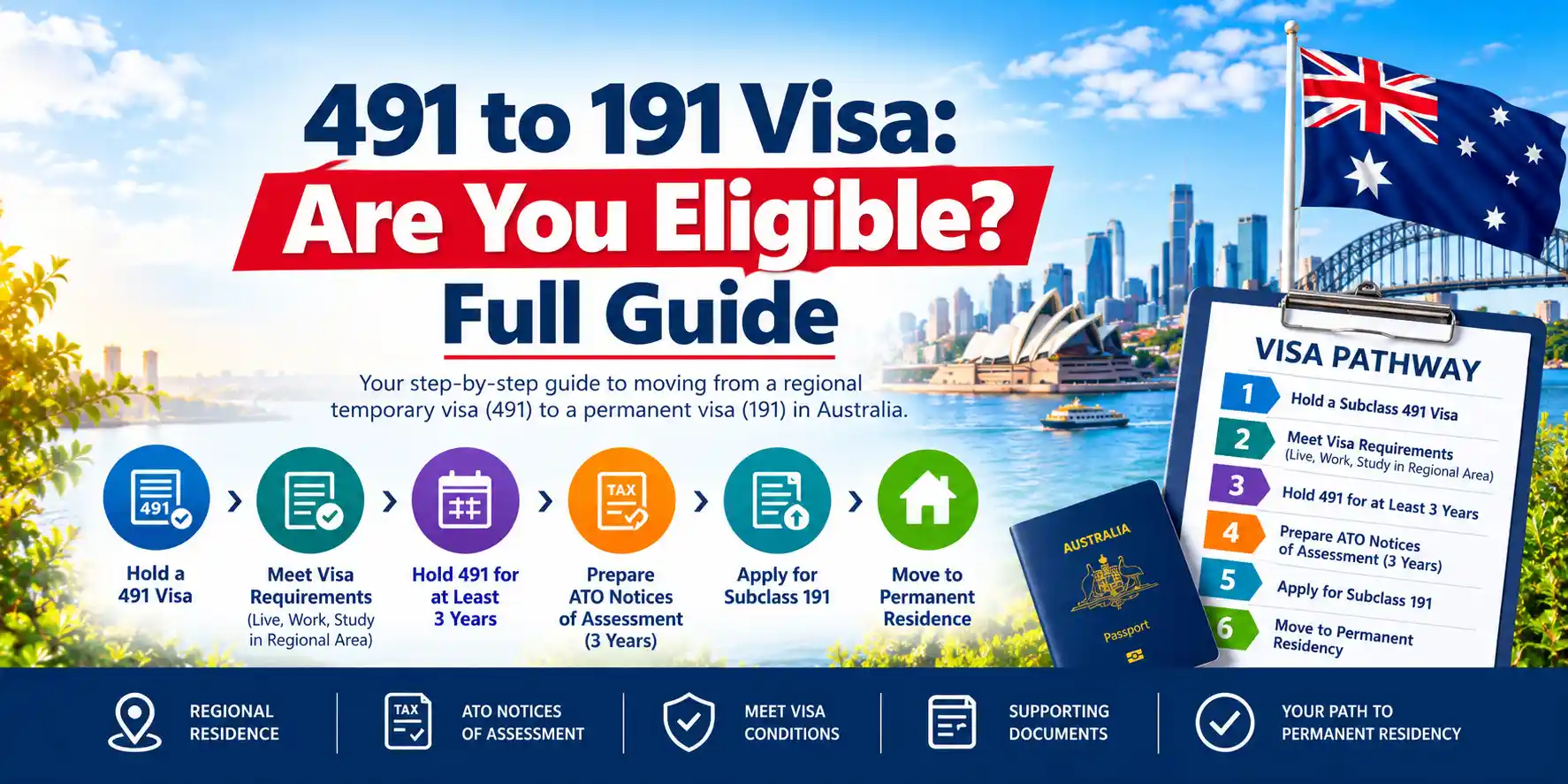
- Your future visa plans: owning a property does not imply permanent residency. 491 visa holders must continue to meet subclass 191 visa requirements to qualify for a future permanent visa.
It's also important to check out the property contract before being bound. You should particularly verify if the purchase is subject to approval for finance or foreign investment if that approval is not secured, the rights with respect to the purchase could be affected.
Can a 491 Visa Holder Buy an Established House in Perth in 2026?
491 visa holders in 2026 need to understand these rules. Generally, foreign individuals who are subject to the foreign investment rules, such as a 491 visa holder, are not allowed to acquire an established house in Perth during the temporary prohibition. The restriction will come into effect on 1 April 2025 and expire on 31 March 2027 and will generally prohibit foreign people (including temporary residents) from buying an existing property. This means that a 491 visa holder buying alone will generally not be able to purchase an established house for use as their home during this period. There are limited exceptions to this restriction, so the buyer should check whether an exception applies to their circumstances before entering into a contract.
This does not mean that a 491 visa holder cannot purchase any type of property. It is possible for there to be any new dwellings or vacant residential land, with the appropriate conditions being the purchaser and approval when necessary. If the property is acquired by a Rule 491 visa holder and an eligible Australian partner, then different rules will apply. The owners' structure and the intended purpose of the property may have an impact on the exemption, so they need to be vetted prior to entering any contract.
Conclusion
FAQs on Can 491 visa holders buy property in Perth
1. Can a 491 visa holder buy a house in Perth?
Yes, it is possible to purchase real estate in Perth as a 491 visa holder – but there are some guidelines that you need to follow. Typically, they can purchase a new home or vacant land used for residences in 2026 with the necessary approval. The construction of new houses is limited at present, it is possible to buy a house that is already constructed.
2. Does a 491 visa holder need FIRB approval to buy property in Perth?
In many cases, yes. Generally a foreign person who is on a 491 visa must obtain foreign investment approval to purchase relevant residential property. Requirements vary for each property, whether it will be a new dwelling or vacant land. Purchase of the property should only be made upon approval of any needed approval.
3. Can a 491 visa holder buy an established house in Perth in 2026?
As a general rule, a 491 visa holder (foreign person) is not eligible to purchase an established dwelling in Australia during the restriction period. The restriction takes effect from 1st April 2025 and continues through to 31st March 2027 (unless there are any restrictions). Buyers must verify if they would be able to fit into an exception before even looking at a Real Estate Listing.
4. Can a 491 visa holder get a home loan in Perth?
Yes, foreign nationals on a visa to 491 subclass visas are eligible for a home loan in Australia. The following could be considered to be determining factors when looking at an application: income, employment, deposit, debts already taken on, visa status. Different banks may have different lending policies and it can be useful to research the lending requirements before submitting an offer.